Categories
2020 September

Meet MHA Keynote Speaker Philip Gulley

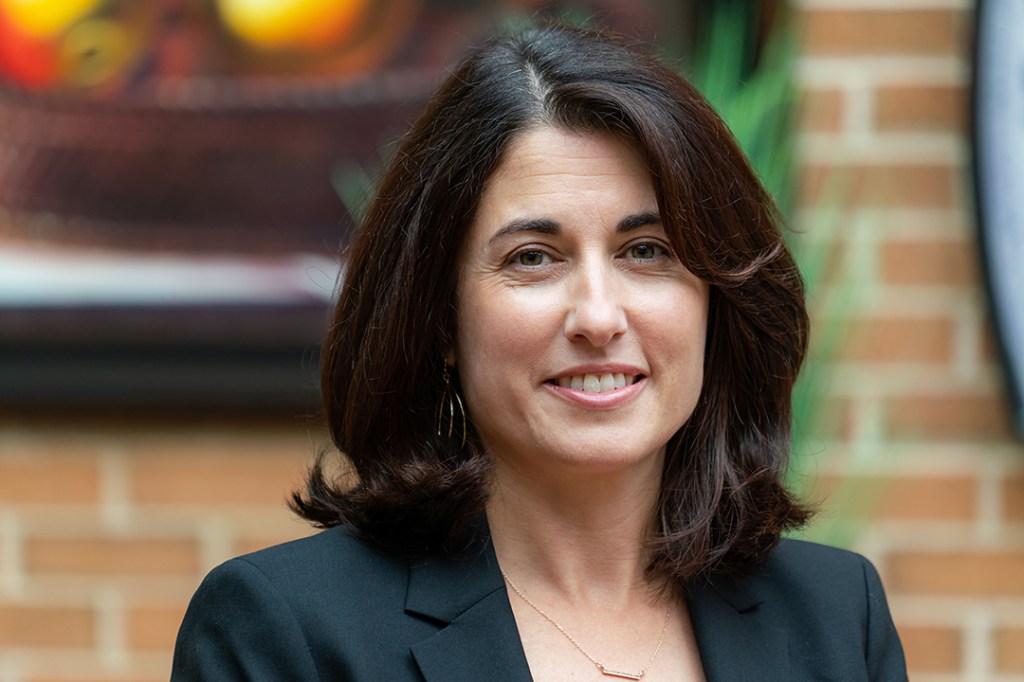
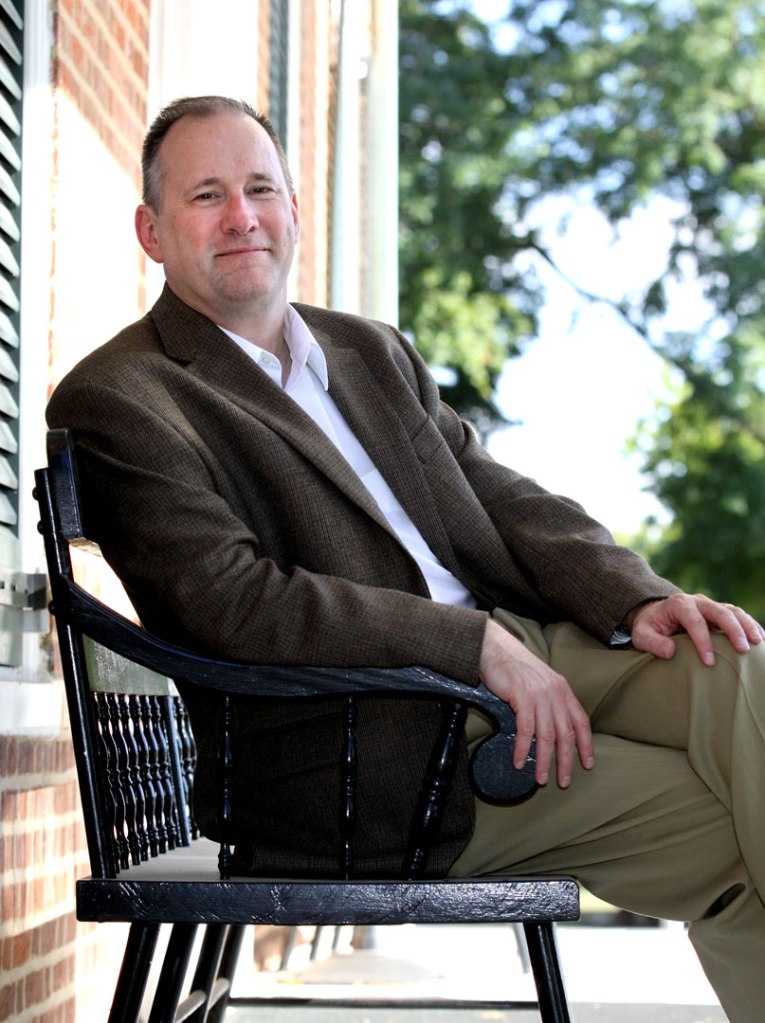
Quaker pastor, writer and speaker, Philip Gulley

Philip Gulley is a Quaker pastor, writer, and speaker from Danville, Indiana.  Gulley has written 22 books, including the Harmony series recounting life in the eccentric Quaker community of Harmony, Indiana and the best-selling Porch Talk essay series.  Gulley’s memoir, I Love You, Miss Huddleston: And Other Inappropriate Longings of My Indiana Childhood, was a finalist for the Thurber Prize for American Humor.  In addition, Gulley, with co-author James Mulholland, shared their spirituality in the books If Grace Is True and If God Is Love, followed by Gulley’s books If the Church Were Christian and The Evolution of Faith.

In  Living the Quaker Way: Timeless Wisdom For a Better Life Today, Gulley offers the opportunity to participate in a world where the values of the Quaker way bring equity, peace, healing, and hope.  Living the Quaker Way invites readers to encounter the defining commitments of the Religious Society of Friends–simplicitypeaceintegritycommunity and equality, and shows how those ideals can be incorporated in personal and public life to bring renewal and eliminate the clutter that is keeping us from deeper spirituality.

In his most recently published work of non-fiction, Unlearning God: How Unbelieving Helped Me Believe, Gulley describes the process of spiritual growth, especially the re-interpretation of the earliest principles we learned about God.  Gulley teaches the reader to let go, or unlearn these burdensome obstacles in their faith so that they can forge a more authentic relationship with God.

Gulley’s latest fictional series continues the exploits of Sam Gardner, first introduced in the Harmony series.  The new Hope series includes A Place Called HopeA Lesson in Hope, and A Gathering in Hope, his most recent fictional release.

You can also read Gulley’s essays in every issue of Indianapolis Monthly and The Saturday Evening Post.

Categories
2020 September

Network Groups: A Strong Community Leads to Stronger Ministry

Network Groups are an opportunity to share knowledge, brainstorm and find solutions while connecting with your peers in MHS organizations. There is value in finding such a community in normal times, and that value is increased in times like these when we are pivoting and adjusting to new norms. If you have participated in Affinity Groups in the past, the Network Groups are a reiteration of that program.

Learn more about our Network Groups on our website at http://www.mhsonline.org/network-groups

Categories
2020 September

Best Practices in Fundraising During a Pandemic

by David King, of David P. King Fundraising Counsel, LLC

Data to Focus Your Fundraising Thinking

  • The stock market is strong, indicating an underlying healthy business capacity.
  • A Gallup poll in May found that 66% of respondents said they will continue charitable giving during the pandemic at the same or higher level than in 2019.
  • Eighty-five percent of people who gave at least $1,000 in 2018 or 2019 to a faith-based nonprofit say they expect to give the same amount or more this year (Chronicle of Philanthropy, July 30, 2020).
  • Major donors who own their own businesses or are professionals continue to have incomes.
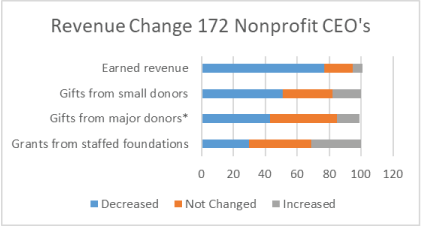
  • Grants from foundations and major donor support are as strong or stronger than in 2019, according to a survey of 172 nonprofit CEO’s (Chronicle of Philanthropy, June 8, 2020).

Major Gifts – Your Nonprofit’s Lifeblood

As the data above suggests, one of your fundraising focuses during the pandemic should be on major giving.  Your major donors have made past donations to your mission (‘investments’) and thus have a strong interest in seeing you continue.  These are the donors that you talk with face-to-face or via telephone or Zoom in a personal way and who give you an annual gift of at least $1,000 (or whatever threshold you set). 

Major donors expect and are given the most intimate “care and feeding.”  They are assigned to staff or board members to help with maintaining these regular contacts.  The development office coordinates the points of contact and schedule.

Every major donor should be contacted twice a year – once to thank and bring up to speed on your work, and once to thank and bring up to speed and then to ask for the annual gift.  More frequent personalized contact is even better along with invitations to participate in organizational activities (virtual events, webinars, Zoom calls, etc.).

It’s important to share positive stories during the pandemic – ways you are able to continue meeting your mission, stories of individuals in their own words.  People are looking for hope during this troubling time; your best donors will appreciate your sharing these uplifting stories.

Direct Appeals

Direct-appeal fundraising is productive now because our constituents are at home and on their computers.  Focus messages on how you are effectively meeting your mission despite the pandemic.  Frequency is also important to increase ‘touch points,’ reminding constituents of your work and needs, and giving them frequent chances to respond.

I recommend quarterly direct appeals; if your budget allows, send out more frequently.  It’s good to mix up the types of appeals:  in the 1st and 3rd quarters, send a newsletter (printed or emailed) with an envelope or link to your giving page; follow up in two weeks with an e-appeal referencing the newsletter; then send a printed letter with an envelope in the 2nd and 4th quarters (just before Thanksgiving) followed by an email referencing the letter; then send a year-end appeal in the 1st week of December for last-minute giving over the holidays. 

Be sure to segment your database to reach donors using whatever channel they prefer and removing them from a channel they don’t want (e.g., snail mail).  Also, be sure your web site has a highly visible giving page.

Foundation Grants

A number of the largest national foundations (Ford, MacArthur, Mellon, Kellogg, Duke) announced in June they would give more than the 5% required by law during the pandemic (Chronicle of Philanthropy, June 16, 2020).  Other foundations have set aside their traditional grant-making programs to focus on pandemic related grantmaking.  Foundations are in many communities taking the lead in helping sustain nonprofits during the pandemic; it’s a good time for grant-seeking.  Be sure to show how you are continuing to fulfill your mission in a difficult economy and that you describe how a grant will help you position yourself to not only endure the pandemic but also emerge stronger in the future.

Categories
2020 September

Staffing During the Pandemic

By Kristin Thim, Director of Human Resources at Living Branches

Q – Have you been able to recruit new staff during this pandemic – if so, how are you doing that?  Anything that is working well in particular?

Yes, we have been successful in recruiting new staff during the pandemic.

We hired non-essential workers furloughed who were seeking temporary work as Universal Aides to provide additional support with meal deliveries, screening, and Skype visits.

When the Centers for Medicare and Medicaid Services (CMS) allowed for temporary CNA licenses by completing an 8 hour on-line training, we targeted candidates who were enrolled in CNA training programs at area schools where classes had been put on hold because of stay at home mandates.  We were successful in bringing on these students, some of which went through our Nurse Aide training class that resumed in July and now have permanent assignments in our community.

Q – Any tips that you’ve learning on how to onboard or orient in distance/online modes?

“Necessity is the mother of invention”

Previously we would have new hires come in prior to orientation to complete the required paperwork, take their photo for the id badge, and review benefit and retirement information.   In addition, employees would need to complete a 2 step TST for tuberculosis.  Since both of these steps required coming into the community and since we had implemented a no visitor policy, we quickly adjusted our procedures.  We made all forms electronic so they could be e-mailed to the candidate and completed on-line.  In addition, we moved from the 2 step PPD to a QuantiFERON blood test completed at an off-site lab.

Q – Are you experiencing more staff turnover now or less?  What do you contribute that to?   

The turnover has slowed down as employees are not looking to move at this time.  Our mission is to serve the residents of our community and the team members have developed strong bonds with the residents as well as their families.  I have heard many say how important it is now, more than ever, to be there for our residents. 

We also introduced some additional perks to support our team members and show the community’s appreciation.  This included casual dress, free meals, and additional compensation for caring for COVID+ residents.

Q – And finally, in general, how are your staff doing and how has Living Branches adapted to the pandemic challenges? 

The team members have had to adapt very quickly to a new version of what work and life looks like.  Through it all, they have remained resilient, and displayed unwavering commitment and compassion to the residents and their co-workers.

Categories
2020 September

Peaceful Living Recruitment Lessons Learned

Peaceful Living logo

By Juanita Nyce, Vice President of Mission Engagement and
Jane Rogers, Recruitment Coordinator

Have you been able to recruit new staff during this pandemic – if so, how are you doing that?  Anything that is working well in particular?

Peaceful Living has been able to recruit new employees during the pandemic. We continue to test marketing strategies, including expanding outreach and job posting channels, communicating what we can do for the potential employee, inviting current employees to refer applicants, and emphasizing opportunities for meaningful work. Our job ads are working well for us right now. We attribute this to sponsoring positions on Indeed, listing the site location rather than our home office, increasing the hourly wage at medically intensive homes, offering a sign-on bonus, and implementing intentional engagement and follow-up strategies. Multiple personal touches from our Recruitment Coordinator throughout the interview and onboarding process help Peaceful Living stand out in the marketplace.

Any tips that you’re learning on how to onboard or orient in distance/online modes?

Peaceful Living continues to onboard team members using Zoom. While our Training Coordinator seeks participation, we recognize that new employees do not enjoy the same experience as those oriented pre-pandemic. We’ve found that getting the full team involved – Executive Team, Directors, Managers – helps new employees feel part of something bigger and have context for their role. The pandemic has coincided with evaluating and refining our recruitment and onboarding process. Along with welcome reminders by phone, text, and email ahead of orientation, our Recruitment Coordinator emails every new employee immediately before their online orientation begins with a personalized welcome that includes their name, position, site, supervisor, and all necessary contact info. In addition, we have increased the frequency of check-ins after orientation. Peaceful Living is continually evaluating our onboarding process with an interdisciplinary team to learn how we can engage new employees even better.

Are you experiencing more staff turnover now or less? 

Peaceful Living is experiencing more staff turnover now, primarily with employees hired since March 2020. 66% (23) of those hired post-COVID have been employed less than 3 months, so the full impact is unknown at this time. We are presently evaluating our recruitment and onboarding strategies in order to increase retention. Overall, the new employees who are staying are devoted, qualified, and aligned with Peaceful Living’s Core 5 values.

What do you attribute that to?

We are trying to understand more about this trend. We wonder if some people we hire  are just looking for “a job for right now” rather than looking for “this job”. We also wonder if the positions employees are accepting are more difficult than expected as the bulk of our current openings are at one of our most medically intensive homes

And finally, in general, how are your staff doing and how has Peaceful Living adapted to the pandemic challenges?  Peaceful Living’s team has risen to the occasion and is thriving. A COVID-19 taskforce was key to this success. Our current employees have adjusted well to the protocols and procedures necessitated by the pandemic. Peaceful Living has not had layoffs, providing security and alleviating anxiety for team members. We are fortunate to be in a strong financial position. The organization has been able to award appreciation (hazard) pay to recognize the dedication of front-line employees during the pandemic. Team members who work in programs with mandated closures were able to work in Residential Services. Staying connected through virtual Zoom all-team meetings and weekly check-ins, which included time to honor front-line employees, have been well received. Frequent, calm communication based on facts enables employees, individuals, and families to adapt as needed. Employees have been appreciative of the ability to work remotely whenever possible as well as access to the tools and resources needed to do their work in a new way. Peaceful Living has adapted very well and continues to pivot in an evolving landscape.

Categories
2020 September

Theo Omo to Retire at End of the Year

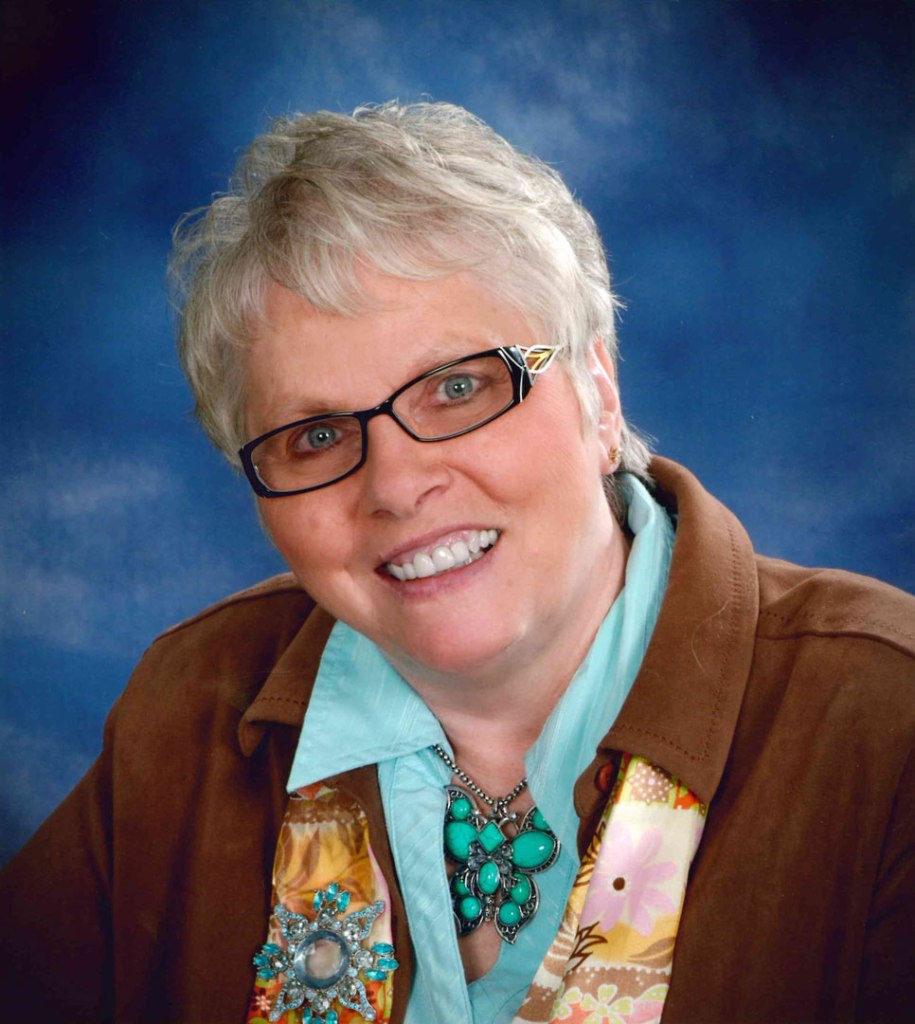
Theo Omo, CEO for Thurston Woods Village, will retire after 24 years with the organization on December 31, 2020.

Omo, along with her staff and Board of Directors, took Thurston Woods to an award-winning, multi-level retirement community during her time there.

Regarding the global pandemic that has made all of us pivot and adjust to new realities, Omo says, “I am blessed that our staff have been so committed to our residents, going above and beyond in every situation.   During this pandemic our team has shined.”

Immediately upon retirement Omo plans to winter in Florida and then look for the perfect home on a lake when she returns North in the spring. “Then we will wait on what the Lord has planned for us,” she added.

She recommends her colleagues at MHS reach out to each other and take advantage of the networking opportunities. “An email, a phone call, or a text is easy to do.  More times than not, when someone comes to mind, God is giving you the ability to meet an unspoken need.”

Omo continues, “These are tough times and we are given the privilege of easing the burden that we may not even be aware of.   I have been blessed by so many of you, and I wish God’s grace on His people.”

All of us at MHS wish her the best as she enters a new chapter of her life.

Categories
2020 September

CARES Act Stimulus Funding Audit Requirements. Are you prepared?

Dianne Piet

Webinar: Wednesday, October 14, 2020 @ 1 pm CST

Many of you have not undergone this level of detailed audit before! Even if your organization has been through a standard GAAP audit, these requirements are far more demanding and you need to be prepared. Whether you are a for profit or non-for-profit entity, you will be subject to these audit requirements.

Don’t miss out on this upcoming webinar by Mueller Prost, a CPS vendor partner. Tiffany Karlin, Partner, Consulting Services and Director of Healthcare, and the Mueller Prost team have developed a COVID-19 Resource Center and have been helping organizations navigate this uncertain financial environment. You can expect this webinar to be dynamic and provide great information, such as how to track funds and costs related to the Cares Act. Get registered for the webinar today, click here. To learn more about Mueller Prost and the full range of professional tax, audit, accounting and consulting services, give me a call, Dianne Piet, your dedicated CPS Client Account Manager. 603-935-7923, email: pietdianne@carepurchasing.com.

Categories
2020 September

Things White People Can Do For Racial Justice (September)

  • Do deep canvassing about race and racial justice. Many SURJ groups are organizing them, so many people can do it through your local SURJ group. If they’re not already doing it, start it.
  • Research your local prosecutors. Prosecutors have a lot of power to give fair sentences or Draconian ones, influence a judge’s decision to set bail or not, etc. In the past election, a slew of fair-minded prosecutors were elected. We need more.
  • Call or write to state legislators, federal legislators, and your governor to end solitary confinement in excess of 15 days. It is considered torture by the UN, and it is used more frequently on Black and Hispanic prisoners. For more information on solitary, two good overviews can be found here and here.
  • Watch 13th (Netflix). Better yet, get a group of friends together and watch 13th.
  • Watch The House I Live In (PBS). Or get a group of friends together and watch it.
  • Read Ta-Nehisi Coates’ article The Case for Reparations and From Here to Equality by William A. Darity Jr.A. Kirsten Mullen. The US has already participated in reparations four times. Thank you to Clyanna Blyanna for suggesting this addition.
  • Participate in reparations. One way is through this Facebook group. Remember reparations isn’t just monetary — share your time, skills, knowledge, connections, etc. Thank you to Clyanna Blyanna for suggesting this addition.
  • Read The New Jim Crow by Michelle Alexander. Better yet, get a group of friends together to read it like a book club would — read, then discuss. Buy it from one of these Black-owned bookstores.
  • Read Caught by Marie Gottschalk. Better yet, get a group of friends together to read it like a book club would — read, then discuss. Buy it from one of these Black-owned bookstores.
Design a site like this with WordPress.com
Get started